
Adobe and Smoke
Dreams from El Norte

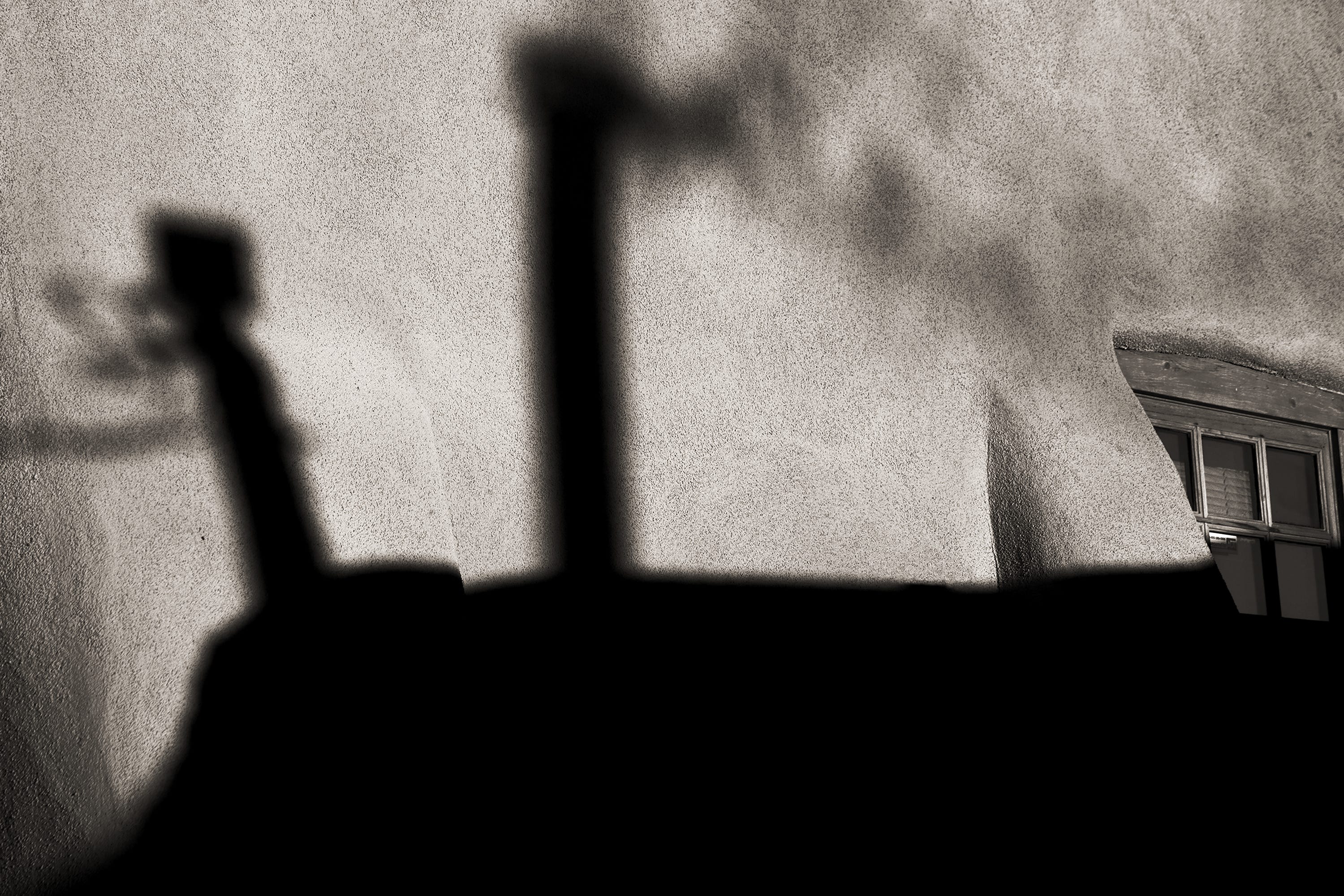
Adobe attracts shadows. The stubbled rough mud and straw surface lures shadows both sharp and feathery to its topographic self. The adobe caresses the dark shapes and together they create memory, mystery and mood. To live in northern New Mexico is to be immersed in the alchemy of adobe and shadow. Adobe becomes a substrate to be painted with light and shadow. The shadows, of course, are ephemeral. They change with sun’s angle and the passing clouds. With a measure of patience, an adobe buttress could be photographed dozens of ways in the passing of an hour, every shot a discrete specimen.
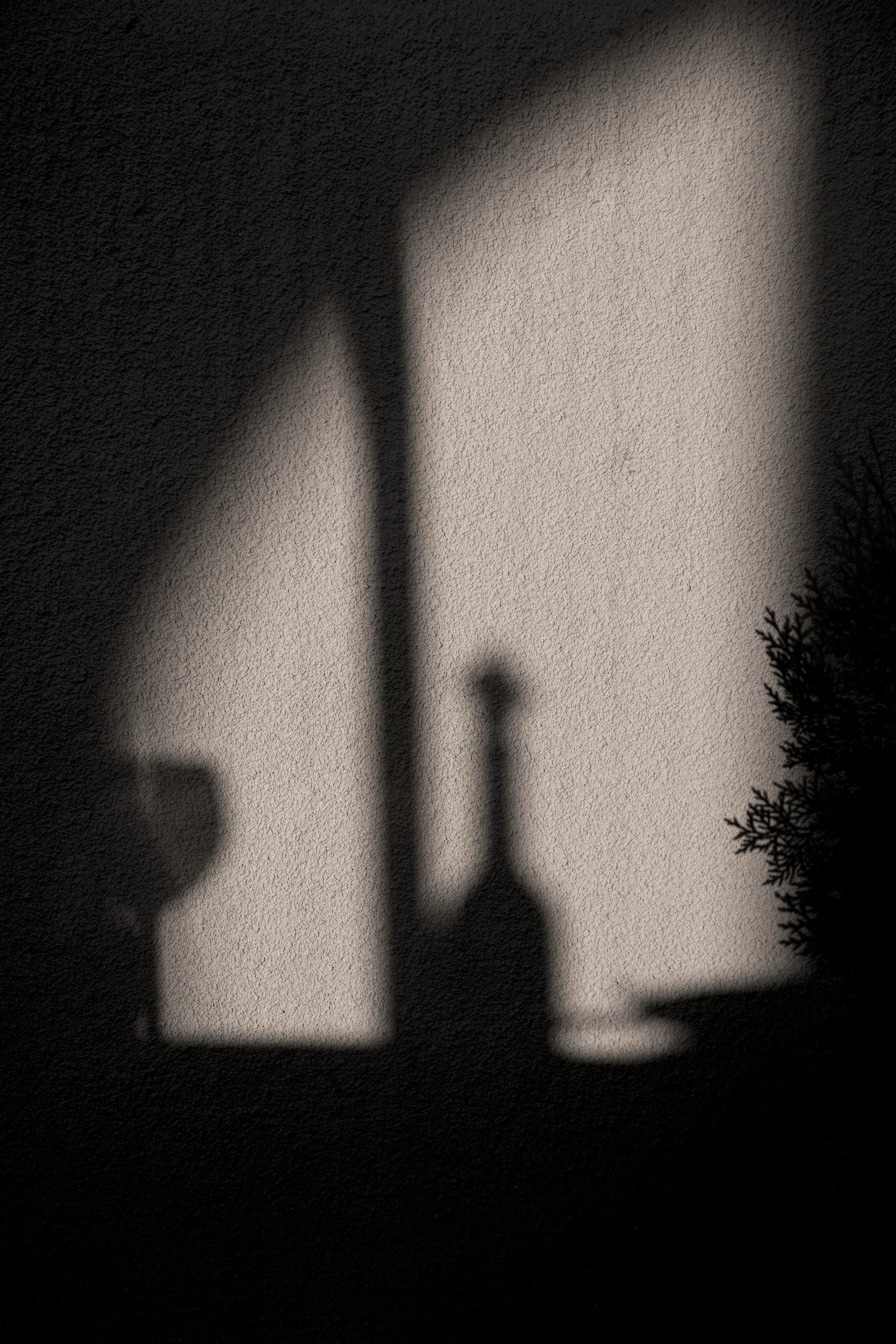
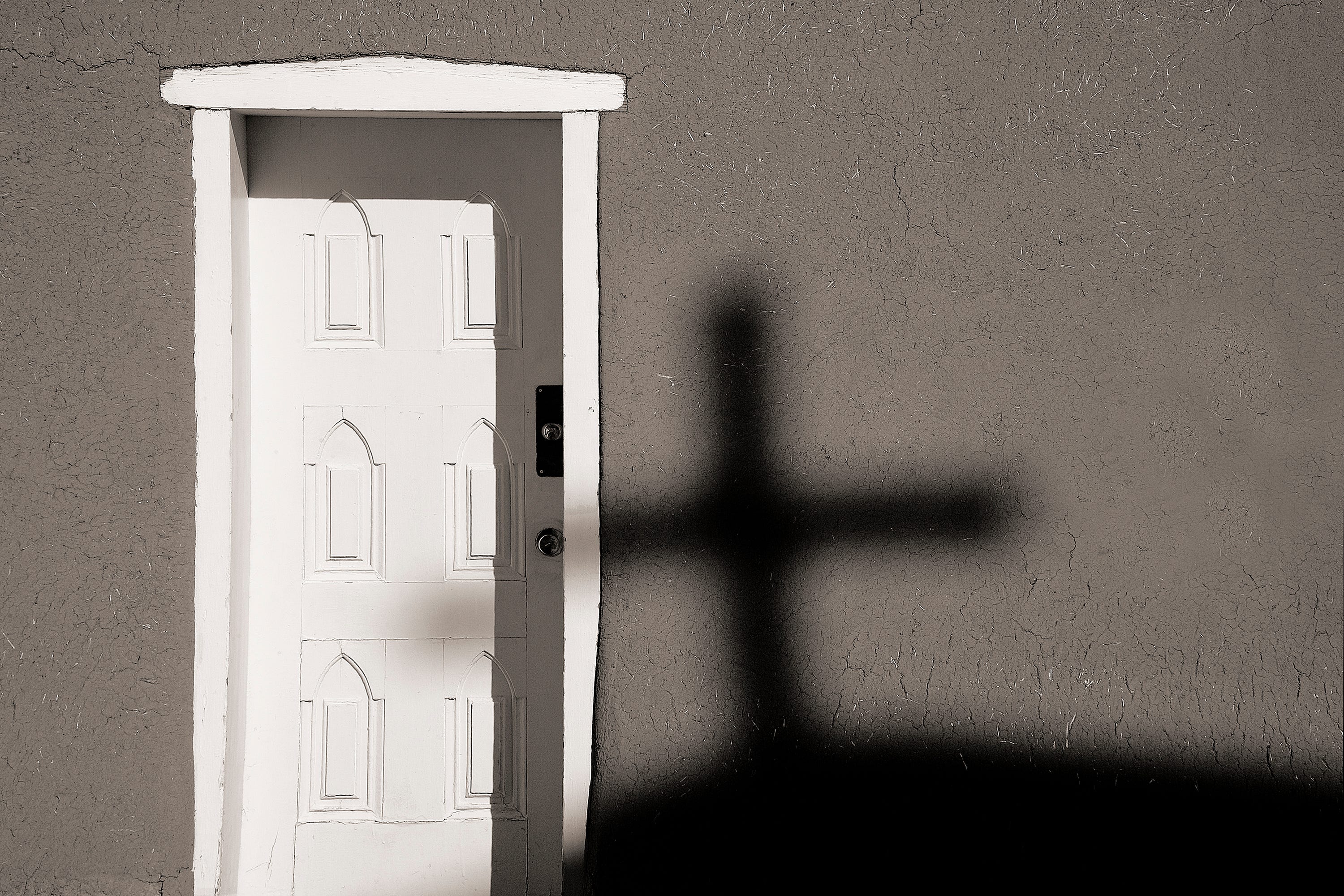
Three miles from where I write these words Taos Pueblo, the oldest continuously occupied place in the United States, is a masterpiece of adobe architecture. The Pueblo is known for its traditional adobe multi-story homes, dating over one-thousand years. The Pueblo dwellings are made entirely of adobe — earth mixed with water and straw, then either poured into forms or made into sun-dried bricks. The roofs of each of the five stories of the Pueblo are supported by large timbers — vigas hauled down from the mountain forests. Smaller pieces of wood — pine or aspen latillas are placed side-by-side on top of the vigas and finally the roof of complex layers of natural materials designed for water resistance, strength and the rigors of desert heat and Rocky Mountain cold.
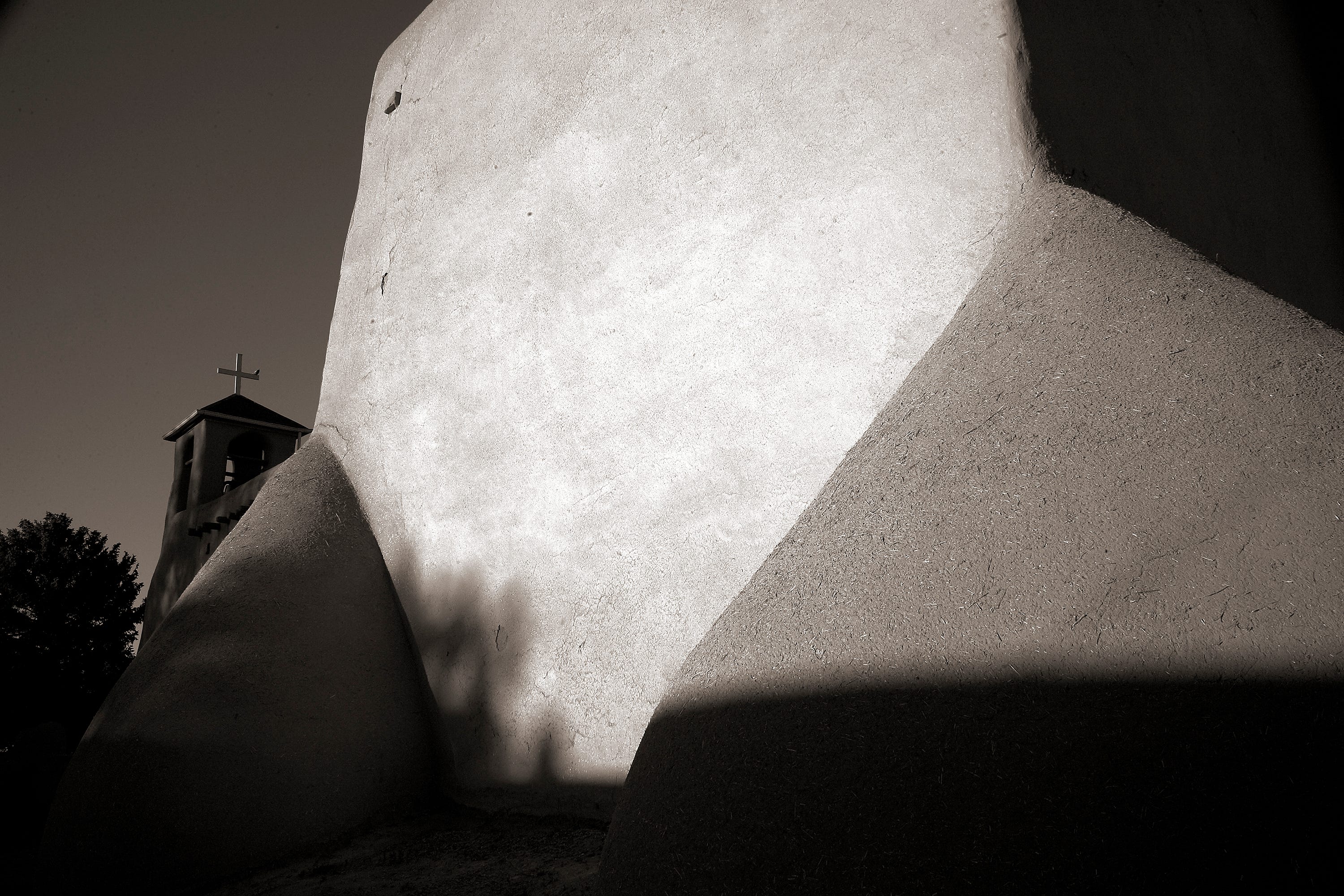
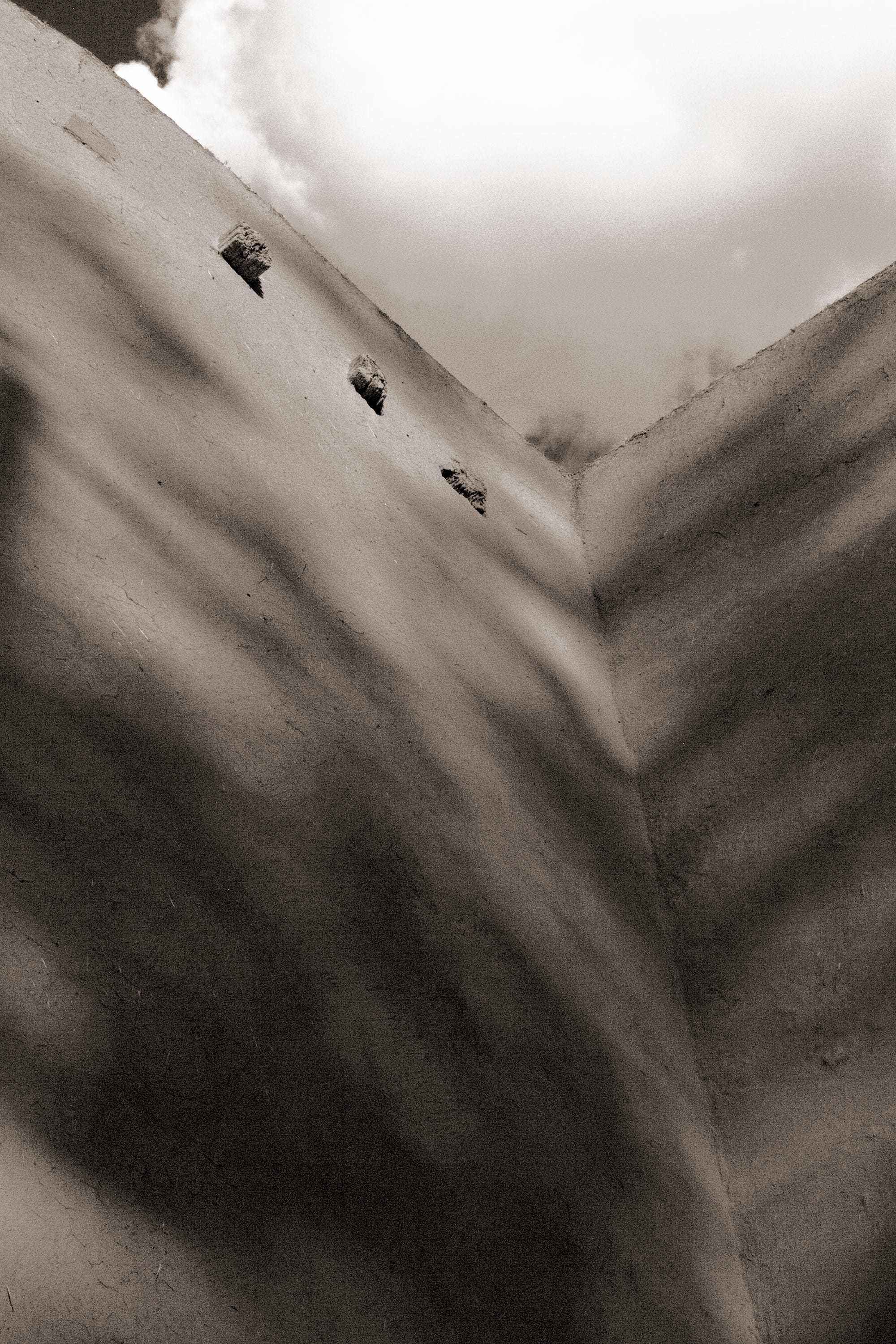
Even closer is iconic San Francisco de Asís whose voluptuous curves bend shadows like a magician. The most photographed structure in New Mexico and possibly the Southwest, Saint Francis wears its shadows. It’s cloaked by them.
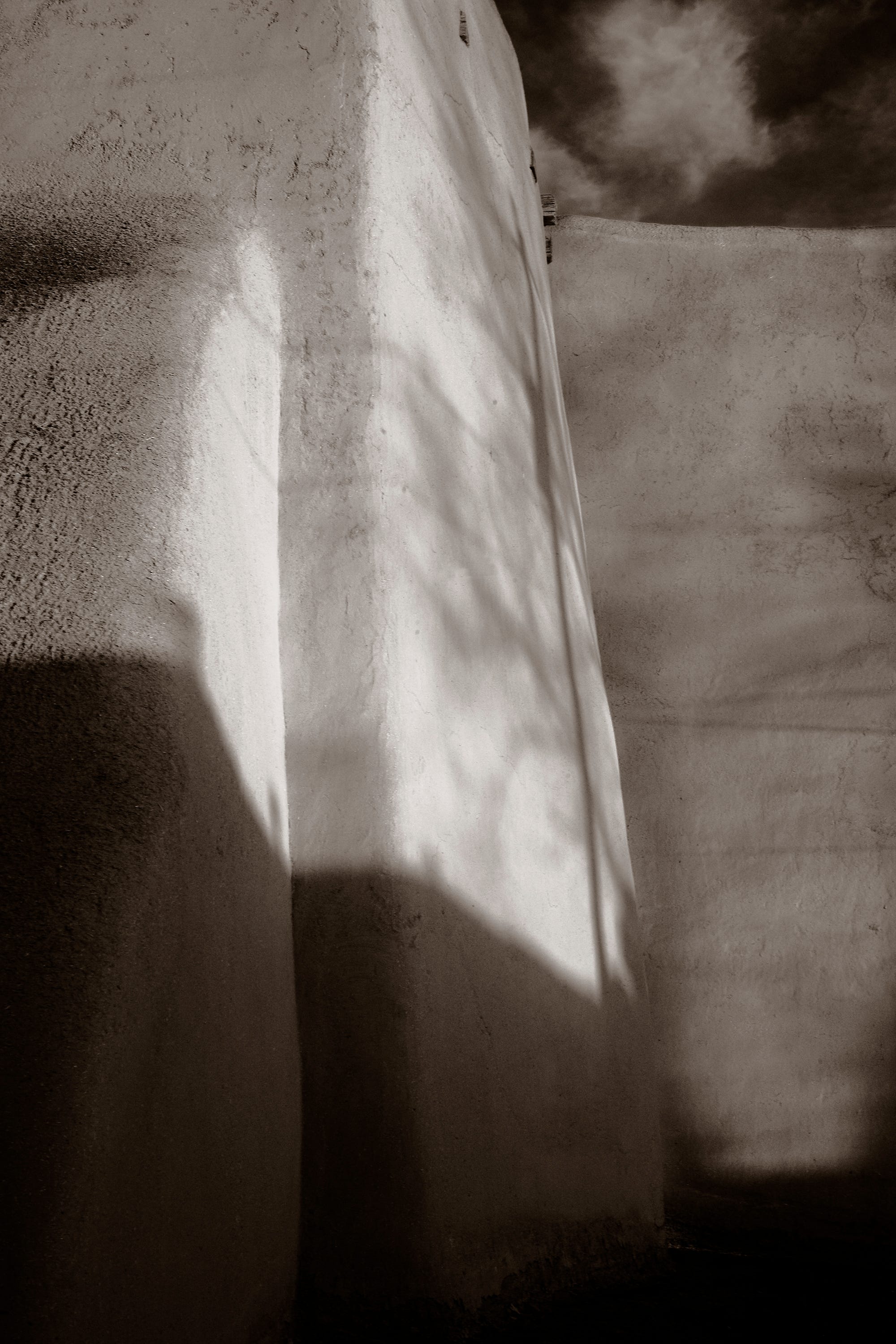
Adobe building blocks, called adobes in these parts, adobe architecture and structures date to pre-history. Adobes found in China date to 8,000BC and adobe architecture in the Peruvian Andes dates to 5,000BC. 30% of the world’s population once lived in adobe structures, 50% in developing regions. That’s doubtlessly because dirt, straw and water are available and free.
Adobe structures endure. They continue to be built in China, India and here in the high desert of New Mexico. They are more than functional. Pueblo style and the lifestyle it spawned sprung literally from the earth.
My friend… this is among your best work about your home. The images and prose are both fantastic; each supporting the other in equal measure. Just so, so nice. I’ve now read it through 3 times and each time I find some nuance I’d missed before. Lovely. Thank you.
Hardly anything written about adobe in New Mexico could be as fluent and eloquently produced as your opening paragraph for today's Substack posting. The author in you is ready to begin a book, perhaps two or three, on the subject of your choosing. The final two photographs in today's posting add to the grandeur of any building built of adobe. A true ode to a nearly universal and timeless building material. Mud is magic.